
A holiday with close friends, classmates or teammates feels different when someone else handles the difficult parts. Greece tours give families, friends, clubs, schools and work teams a simple way to discover the country together. Ancient temples, island harbours and mountain monasteries all fit into one plan, and everyone shares the same stories at dinner.
This guide travels through the capital, the mainland, the Cyclades and the large islands. Each part explains what to see, which kinds of Greece tours suit a group and which extras come included. Organisers will also find advice from My Greece Tours on keeping big parties happy, well fed, comfortable and on time.
How Do Greece Tours In The Capital Run For Groups?
Greece tours in the capital run as easy, well-paced days. A guide leads the group from hilltop ruins to shady parks and lively streets, with food and rest built in. Many organisers compare Greece tours and Tours In Greece before choosing the right pace for their party. The beautiful coastline waits close by, too.
Which places are unmissable in the capital?
The Acropolis, a name meaning high city, rises over Athens like a stone crown. On top stands the Parthenon, a marble temple for Athena, the city’s goddess. Below it, on the sunny south slope, sits the Theatre of Dionysus, where Greek drama was born. Audiences once watched plays here from rows of stone seats.
At the foot of the hill, the Acropolis Museum displays the statues discovered above. Glass floors let visitors look down at ancient homes and streets uncovered beneath the building. Nearby lies the Roman Agora, a market square from Roman times, where the Tower of the Winds shows carved gods of the winds.
Hadrian’s Arch, a stone gate named for a Roman emperor, marked where the old town ended. Close by, the National Garden offers shade, ponds and peaceful paths. Psyrri, a historic quarter of street art and tavernas, wakes up at night. On Cape Sounion, the Temple of Poseidon watches the sun set over the sea.
Which Greece tours cover the capital best?
Private tours with a driver-guide suit families travelling with grandparents or young children. The van waits close by, and the price covers the whole group rather than each seat, which makes the day easy to organise. A private skipper works the same way on the water, so a club can choose its favourite coves.
Boat cruises with swim stops suit friends and work teams who want sun and salt water after a morning of ruins. Guided walking tours suit school groups and curious families, since a guide brings each ancient stone to life with colourful stories. Organisers often combine both kinds when they consider popular Greece tours from Athens.
Cooking classes and wine tastings suit adults who prefer a slower evening. A local cook teaches the group how to roll vine leaves or bake cheese pies. Then everyone sits down to enjoy what they made, with a glass of Greek wine alongside. Work teams treat it as an enjoyable way to bond.
What do Greece tours in the capital provide?
Most Greece tours in the capital come with a licensed or local guide. That matters for groups, because one clear voice keeps everyone moving together and answers every question. Guides also know the shadiest spots and the quietest corners. Children stay curious, and the adults finally understand the history behind each column and carving.
On the water, cruises add swim stops in crystal bays and a delicious lunch or BBQ meal on deck. Drinks come aboard too, and some trips make them unlimited, which takes the stress out of a long, hot day for the organiser. Nobody has to carry cash or count cups for the entire party.
Wine tastings round off many evening outings after a busy day of sightseeing. A friendly host pours local wines and explains the grapes in plain, simple words. For a club or team, this shared table quickly turns strangers into friends and gives quieter members an easy way to join in.
How do groups stay comfortable in the capital?
Start early, because the Acropolis gets hot and crowded by midday, and save the museum or a relaxed lunch for the warmest hours. Pick one obvious meeting point, such as a fountain or a large sign, and share it with everyone. A group chat on mobile phones helps slower walkers catch up quickly.
Marble paths become slippery, so everyone needs shoes with decent grip. Pack hats, sun cream and a refillable water bottle for each person. Light layers are useful in the evening breeze at the coast near Sounion. Leaders should carry a small bag with plasters, snacks and spare phone chargers for the entire crew.
What Makes Greece Tours In The Mainland Worth Booking?
Greece tours in the mainland are worth booking because they reach famous historic sites that sit far apart. A guide and a planned route turn long drives into one smooth story. Groups visit Delphi, the cliff monasteries and the birthplace of the Olympic Games, and nobody has to drive or read a map.
Which places are unmissable in the mainland?
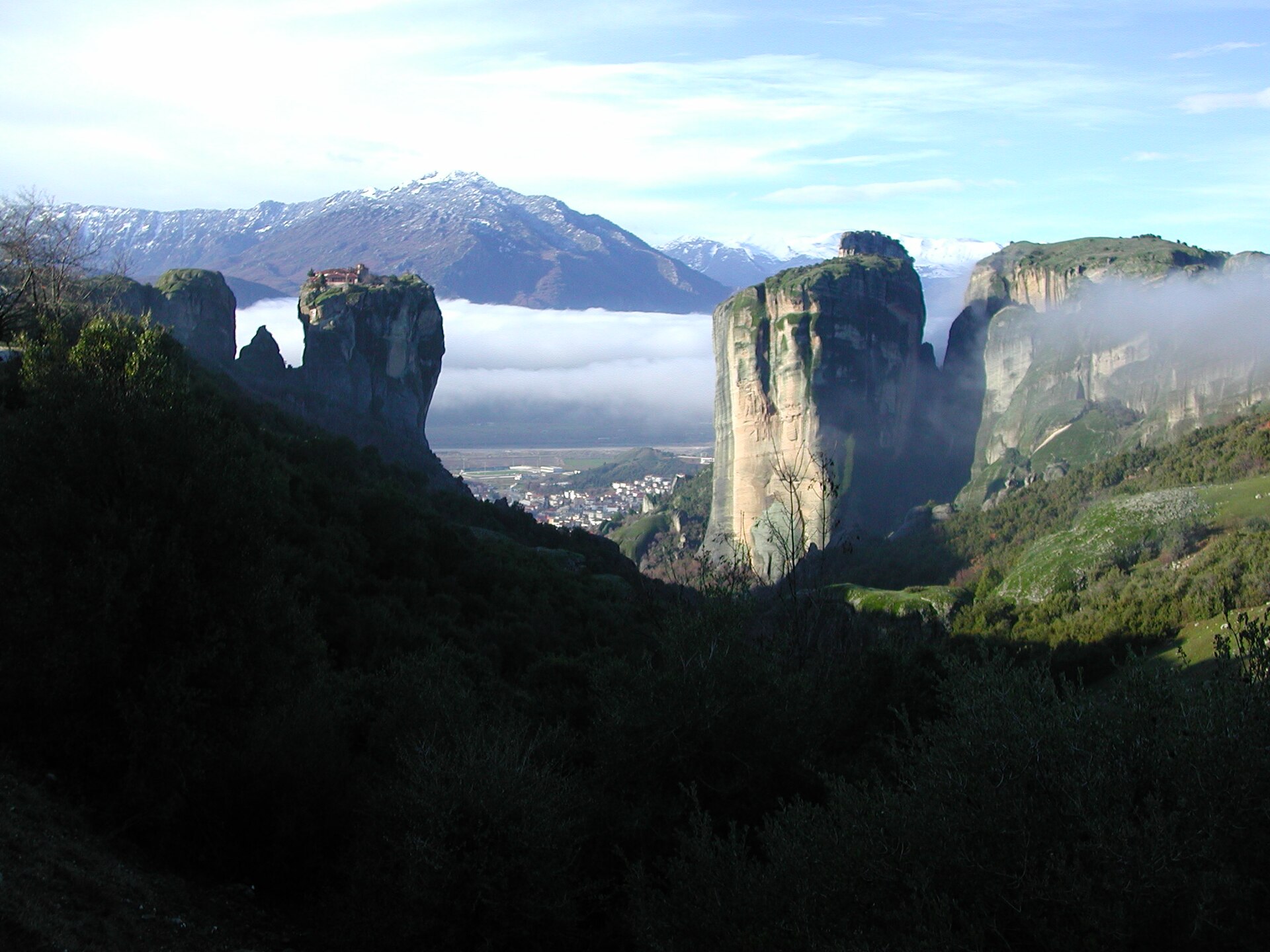
Delphi clings to the slopes of Mount Parnassus above olive groves, and the ancient Greeks called it the centre of the world. At the Temple of Apollo, a priestess known as the oracle gave advice said to come from the god himself. Further north, the Meteora monasteries perch on top of towering rock pillars.
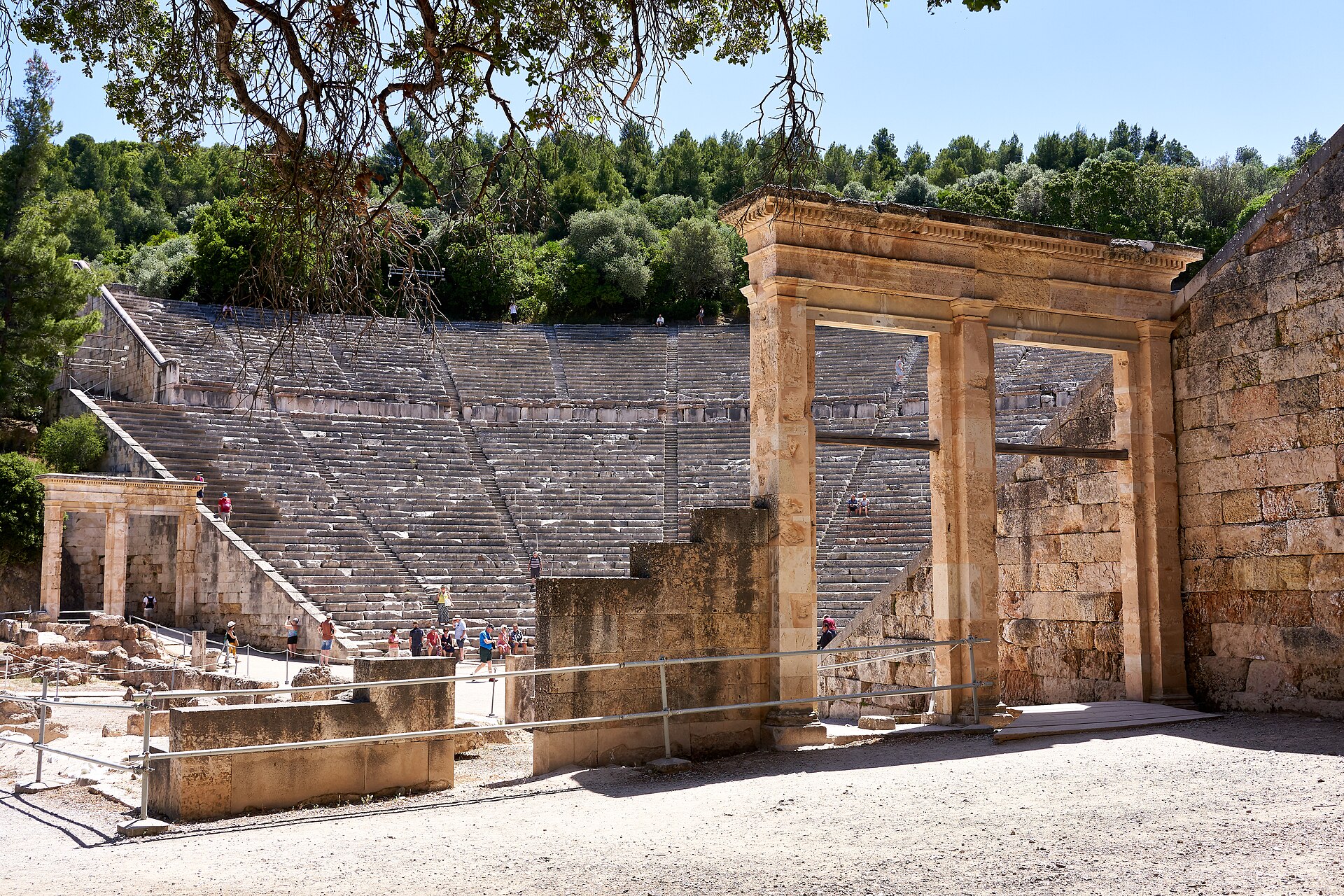
Monks once pulled visitors up in nets on ropes. In the south, Mycenae was the city of King Agamemnon from ancient legends. Carved lions guard its Lion Gate, set in walls so enormous that people believed giants built them. Nearby, the theatre of Epidaurus carries a whisper from the stage to the highest row.
Nafplio, a beautiful harbour town, served as the capital of Greece before Athens. The Palamidi fortress guards it from a steep hill, reached by a long stone stairway. Ancient Olympia is where the Olympic Games were born, and the flame is still lit there. The Corinth Canal is a narrow passage cut through solid rock.
Which Greece tours cover the mainland best?
Small-group tours suit friends and families who prefer a calm pace and room to ask questions. Full-day trips from Athens by coach suit school groups and larger clubs, since everyone rides together in comfort. Many Greece tours in the mainland run this way to Delphi or the Peloponnese, the large peninsula in the south.
Guided walking tours suit curious teens and history fans, who hear the complete story at every stone. Entry tickets suit independent groups who want to explore at their own pace, with no set route. Multi-day tours with hotel nights suit work teams and clubs who want Meteora and Olympia in one relaxed, unhurried loop.
Many groups happily combine different kinds, booking a small-group day at Mycenae, then using entry tickets to wander Olympia on their own terms. Sports clubs especially love ending a long coach trip where the Olympic Games began. A race on the ancient stadium track makes a fun, memorable photo for any team.
What do Greece tours in the mainland provide?
Greece tours in the mainland depend heavily on a licensed or local guide. Many of these sites look like broken stones and empty fields at first glance. A good guide fills them with kings, priests, athletes and ancient legends. For school groups, that turns a dusty ruin into a history lesson nobody forgets.
Entry tickets come included on many trips, and that matters more than people realise. Ticket lines at Delphi and Olympia grow long and slow in the summer months. A leader carrying every ticket walks the whole group through the gate, so nobody waits in the sun or loses track of others.
Multi-day trips add hotel nights, so the group sleeps near the sights instead of riding back to Athens each evening. Waking up below the Meteora rocks feels magical, especially for younger travellers. Rooms are booked together, which keeps the whole party under one roof. Evenings become a relaxed opportunity to swap photos, jokes and stories.
How do groups stay comfortable in the mainland?
Mainland days start early and involve long rides, so plan a quiet evening beforehand. Seat restless children near the front and give teens the window seats. Agree on a head count at every stop, with the same person counting each time. A bright scarf or matching caps make the group easy to recognise.
Delphi and Mycenae sit on slopes with uneven, rocky paths, so sturdy shoes are essential. Meteora monasteries require covered shoulders and knees, so pack a light scarf and long clothes. Bring water, snacks for the coach and travel sickness tablets for anyone who feels queasy on winding mountain roads. Pillows help on long rides.
What Should Groups Know About Greece Tours In The Cyclades?
Groups should know that Greece tours in the Cyclades depend on boats, sun and careful timing. Ferries and cruises link the islands, so plans follow the sea and the wind. The reward is whitewashed villages, turquoise water and leisurely lunches by the harbour. The name Cyclades comes from the circle these islands create around Delos.
Which places are unmissable in the Cyclades?
Santorini’s cliff villages hang over the caldera, a giant bowl of sea left behind by an ancient volcano. Whitewashed houses and blue domes tumble down the rock face. On Mykonos, a row of windmills stands on a low hill above town. They once ground wheat for the island, and today they frame famous sunset photographs.
A short boat ride from Mykonos leads to Delos, an island sanctuary, or holy place, where myth says Apollo was born. Nobody lives there today, and the whole island is an open-air museum of temples and marble lions. Milos hides sea caves carved by waves, like Kleftiko, where pirates once anchored, hidden from view.
The water inside these caves glows a brilliant blue-green. On Naxos, the old town climbs to a hilltop castle through a maze of white lanes. An enormous marble doorway, the Portara, stands by the harbour, the gate of an unfinished temple. On Paros, Naoussa harbour fills with colourful fishing boats and drying octopus.
Which Greece tours cover the Cyclades best?
Private tours with a skipper suit families and close friends who want a boat to themselves. The price covers the entire group, and the skipper picks quiet bays out of the wind. On land, a private driver-guide suits older members who prefer short walks between viewpoints. Both fit neatly into plans for Greek island hopping.
Boat cruises with swim stops suit larger parties of friends and work teams who want entertainment on deck. Snorkel and beginner scuba trips suit teens and active adults, since trained instructors teach the basics in calm, shallow water. Full-day trips from Athens by coach and fast ferry suit school groups with tight schedules.
Cooking classes and wine tastings suit adults and mixed-age families on Santorini and Naxos. Groups learn to make local dishes with island cheese and tomatoes, then taste wines from grapes grown in volcanic soil. Many Greece tours in the Cyclades end this way, around one long table as the golden sun goes down.
What do Greece tours in the Cyclades provide?
Greece tours in the Cyclades often pack the best extras onto one boat. Swim stops come at hidden beaches and caves, and snorkel gear waits on board for anyone who wants it. Nobody has to haul masks and fins across the islands, which frees valuable bag space for towels, sun cream and cameras.
A generous lunch or BBQ meal on deck keeps energy levels high between swims. Drinks flow all day, sometimes with no limit at all, so nobody goes thirsty. A licensed or local guide explains each island’s colourful past in plain words. For groups, this means one smooth, carefree day with no last-minute planning.
Free time to explore each village matters just as much as the swimming. Teens head for the souvenir shops, while parents and grandparents find a quiet café by the water. Back on land, wine tastings at small family wineries close the long day in style. Everyone returns with a personal story to share.
How do groups stay comfortable in the Cyclades?
Island winds strengthen in the afternoon, so book boat trips for the morning when the sea is calmer. Keep a printed list of every name for ferry boarding and regular roll calls. Before each swim stop, pair people up as buddies who check on each other when the group climbs back aboard.
Shade is limited on the islands, so pack wide hats, sunglasses and reef-safe sun cream. Santorini’s lanes have many steps, which makes light bags better than heavy suitcases. Bring a light jacket for windy decks and seasickness tablets for anyone who feels the waves. Swimsuits worn under clothes save time at every stop.
What Can Groups Expect From Greece Tours In The Large Islands?
Groups can expect Greece tours in the large islands to combine famous history with relaxing beach days. Each big island feels like a small country, with its own food, music and stories. Planning ahead keeps the right mix for every age, and most groups pick one island and explore it thoroughly.
Which places are unmissable in the large islands?
On Crete, Knossos was the palace of the Minoans, an early island people who ruled the sea. Legends say the Minotaur, a monster with a bull’s head, lived in a maze below it. In the west, Chania wraps around a historic harbour, with its stone lighthouse standing at the end of the sea wall.
On Crete’s far west coast, Elafonisi has soft pink sand coloured by tiny crushed shells. Children love paddling through its clear, shallow and warm lagoon. Over on Rhodes, the medieval town hides behind thick stone walls built by knights. Medieval means the age of castles and knights, and here it still feels wonderfully alive.
Lindos is a whitewashed village below a hilltop acropolis, with lanes too narrow for cars. Corfu old town mixes Venetian forts, built when Venice ruled the island, with elegant arcades and a green square. On Kefalonia, Melissani is a cave lake whose roof collapsed long ago, so sunlight turns the water a glowing, magical blue.
Which Greece tours cover the large islands best?
Private tours with a driver-guide suit families and older members on larger islands like Crete, where famous sights sit far apart. A private skipper suits friends who want Corfu’s quiet coves or Kefalonia’s rugged coast all to themselves. The price covers the whole group, which makes the cost simple and fair to split.
Boat cruises with swim stops suit larger parties and work teams who want an easy, lazy day of sun. Guided walking tours suit school groups in Rhodes town and Corfu old town, where every lane hides a story. Entry tickets suit independent groups who prefer to explore Knossos at their own pace.
Full-day trips from Athens by coach suit groups who split their stay between the capital and an island. Cooking classes and wine tastings suit adults and families on Crete, where olive oil and herbs shape every dish. For many groups, these warm evenings become the favourite part of Greece tours on the larger islands.
What do Greece tours in the large islands provide?
Greece tours in the large islands often bundle entry tickets with a licensed or local guide. At Knossos or in Rhodes town, that pairing saves time and adds real meaning. The group skips the ticket queue, then hears the stories behind colourful painted walls and carved shields. Teachers appreciate it, because pupils stay focused.
Boat days bring swim stops in sheltered coves and a lunch or BBQ meal on board, so nobody packs a picnic. Drinks keep coming throughout the day, and on some cruises they are unlimited. For work teams and sports clubs, a shared meal at sea feels like a well-earned reward after the sightseeing.
Wine tastings appear on many evening excursions across Crete and Corfu. Hosts fill glasses with island wines and explain how each one is made, from vine to bottle. Many families grow the grapes just outside the door. These relaxed hours let a large group slow down, laugh and chat before the next busy day.
How do groups stay comfortable in the large islands?
Larger islands mean long drives, so group the sights by region and stay in one base for a few nights. Visit Knossos and Lindos early, before the midday heat and the crowds. Split a large party into small teams, each with a leader who keeps a list and counts heads at every stop.
Pack water shoes for pebbly coves and sandals with good grip for the polished stones of Rhodes and Corfu. Hats, sun cream and refillable bottles are essential. Bring a light cover-up for churches and a small cooler bag for long beach days. Leaders should keep mobile phones fully charged to stay in touch with everyone.
Conclusion: Best Greece Tours For Club And Team Trips, Planned Well
Greece tours give clubs, teams, families and schools a shared adventure that runs from ancient hills to island harbours. The capital offers temples and walking routes, the mainland brings oracles and monasteries, and the islands add boats and beaches. Each region rewards organisers who carefully match the tour kind to the people in it.
Start with the sights everyone agrees on, then add swim stops, tastings or a private skipper for those who want extra adventure. Book early, share one clear plan and pack for sunshine. This guide to Greece group tours covers the finer details, so the next Greece tours run smoothly from start to finish.
Frequently Asked Questions About Best Greece Tours For Club And Team Trips
Can groups change Greece tours after booking?
Many Greece tours let groups change the date or the head count, as long as they ask early. Last-minute changes are harder, especially for boat trips, private guides and hotel nights booked in the busiest season. Confirm numbers well before the trip and read the cancellation and change rules carefully when booking.
Do Greece tours include hotel pickup?
Many full-day trips and private tours include pickup from central hotels or a nearby meeting point. Boat cruises often depart from the harbour instead, so the group travels there independently. Check the pickup details in advance and share the exact time and location with every member of the travelling party.
Do Greece tours run in all weather?
Most land-based Greece tours run in rain or heat, and guides adjust the pace on hot days. Boat trips depend on the wind, and captains cancel or change the route when the sea turns rough. Groups should keep a spare day in the plan in case a cruise moves to another date.
Can Greece tours start from a cruise port?
Yes, many tours meet cruise passengers right at the port in Piraeus, Mykonos, Santorini, Corfu, Rhodes or Heraklion. Guides plan the route around the ship’s timetable, so the group returns well before boarding closes. Private tours work especially well here, since the driver meets the whole group at the pier.
Are Greece tours good value for groups?
Yes, Greece tours give strong value for groups, because private tours are priced per group and the cost is shared. Included extras like a guide, entry tickets, meals and drinks also cut down on unexpected spending. Larger parties get the most out of a boat or a van of their own.
How early should groups book Greece tours?
Groups should book as soon as their travel dates are fixed, especially for the summer months. Private skippers, cooking classes and multi-day trips fill up fast, and big parties need several seats or rooms at once. Booking early also gives organisers time to collect names, sort dietary needs and share the plan.
How do groups plan rest around Greece tours?
Groups plan rest around Greece tours by adding a slow day after each long trip and keeping hot middays free for shade. This simple rhythm keeps moods calm and energy steady across the entire holiday. Every member then enjoys the next excursion instead of simply surviving it.
Why rest matters for groups on Greece tours
A big group always moves slower than a small one. Someone needs a coffee, a restroom or a forgotten camera at every stop. These small delays add up, so a day overloaded with Greece tours usually runs late and leaves people worn out by dinner.
The Greek summer sun is strong, and old stone ruins hold the heat for hours. Older relatives and young children feel it first and need cool places to recover their energy. A long break in the middle of the day protects everyone and matches the local habit of a quiet afternoon.
Tired groups also argue more, even among close friends and family. Rest gives everybody time to call home, swim, nap or relax in a shady café. When the next tour starts, the whole group shows up fresh, on time and ready to listen.
Easy ways to slow the pace
Smart groups alternate busy days with lighter ones throughout the holiday. A morning tour of ancient ruins pairs well with a free afternoon at the beach. A full-day boat trip works best when the next morning has nothing planned at all.
Travel days can double as recovery days when the group chooses comfortable transport. A train through green valleys lets people read, chat and enjoy the view without anyone driving. Groups that look at the best scenic train rides can swap a tiring bus transfer for a calmer ride.
Where the group sleeps shapes how well it rests between Greece tours. Quiet lodges, family farms and small hotels away from noisy streets help everybody sleep peacefully. Some groups choose eco-friendly places to stay with gardens, shade and plenty of room for everyone.
A calm nature day also resets tired legs and busy minds after several packed outings. Wetlands, forests and lake shores offer fresh air without difficult climbs or heavy crowds. Many nature reserves in Greece suit an easy walk between busier Greece tours.
How do groups pick a meeting point for Greece tours?
Groups pick a meeting point for Greece tours that everyone can reach on foot and spot easily, close to where the tour starts. A clear meeting point saves valuable time every morning. It also stops the classic group problem of people waiting in two different places.
Choosing a meeting spot in Athens
Athens is a lively capital, and its winding streets can easily confuse first-time visitors. The best meeting spots are obvious landmarks, such as a main square, a metro exit or a hotel lobby. Small cafés and side streets are far too easy to miss.
Timing matters just as much as the place itself. Groups that want calm visits to the Acropolis, the rocky hill crowned by ancient temples, often meet before the tour buses arrive. Simple tips for avoiding crowds at the Acropolis help the group pick the right hour.
Many day trips from the capital start at the port of Piraeus, which is huge and often crowded. For boat days, groups should meet near the right gate, not just somewhere at the port. A guide to island tours from Athens explains how these Greece tours work.
Meeting points on the islands and the mainland
On the islands, the harbor is the natural meeting point for most Greece tours. Ferries, taxis and excursion boats all gather there from early morning. Groups that hop between islands should check which port their boat uses, because some islands have more than one.
Organized ferry plans make every meeting easier for large families and clubs. Friends can read up on getting between Greek islands before they book, so each transfer has a fixed time and place. That way no one gets left behind on the dock.
On the mainland, a hotel car park or a wide town square works well for coach pickups. Big coaches cannot squeeze into narrow old streets or steep village lanes. Before each of the group’s Greece tours, a short checklist keeps the morning smooth:
- Share a map pin in the group chat
- Name one person to count heads
- Agree on a backup spot nearby
- Set a firm start time and a short grace period
- Save the guide’s phone number
How do groups decide between private and shared Greece tours?
Groups decide between private and shared Greece tours by looking at group size, pace, budget and how much freedom they want each day. Large groups often fill a private tour on their own without any effort. Smaller groups can save money by joining other travelers on fixed routes.
When private Greece tours make sense
A private tour belongs only to the group from start to finish. The guide or driver follows the group’s own pace, breaks and timetable. This works especially well for big families with small children or elderly relatives who need extra rest stops.
Private tours also open up additional routes and unexpected stops. A hired van can pull over at any village, viewpoint or beach the group likes. Long scenic drives in mainland Greece feel easy when someone else handles the roads and parking.
Cost per person usually drops as the group becomes larger. For a big club or company group, private Greece tours can come close to shared seats in cost per head. The group also gets a say in where to stop for lunch.
Private trips suit quiet, sacred places too. Monasteries ask visitors for calm voices, covered shoulders and respect during prayer. Reading up on how to visit Greek monasteries helps the whole group arrive dressed and ready.
When shared Greece tours work well
Shared tours mix the group with other travelers on one bus or boat. They cost less and run on fixed routes at set times. For a small circle of friends, this is often the simplest choice on busy day trips.
Shared Greece tours make the most sense for the big, famous sights. The route is carefully tested, the timing is fixed and the cost stays lower. Friends can also meet new people and swap useful travel tips over lunch.
The downside of shared trips is much less control over the day. A shared coach waits for no one, and photo stops are short. Groups that want to find Greece’s hidden gems often do better with a private plan.
Many groups happily mix both styles during one holiday. They book shared Greece tours for famous ruins and private Greece tours for villages and coastlines. This balance keeps costs sensible and still gives the group personal, flexible days.
Why do guided Greece tours help groups?
Guided Greece tours help groups because a licensed guide explains the history, handles tickets and keeps a large group together in busy places. Everyone hears the same story at the same moment. Nobody has to stop and read signs or organize the next step.
What a licensed guide adds
Only state-licensed guides may lead groups inside Greek archaeological sites and museums. These guides go through official training before they can work with visitors. They know the stories behind each temple, statue and broken column on the site.
History comes alive with a good storyteller at the front of the group. A guide can explain that a temple was a home for a god, or that a theater was where whole towns watched plays. Kids and adults remember these plain stories far better than signs.
A guide also solves practical problems before they grow. They know where the shade is, where to find water and which path is easiest for older walkers. That attention matters when one group includes several generations of the same family.
On guided Greece tours, the guide handles tickets, entry lines and bag rules at busy sites. This saves the group leader from juggling phones, receipts and questions at the gate. Everyone simply walks in together and starts enjoying the visit straight away.
Guides beyond the ancient sites
Guides help in towns and nature too, not only at ruins. A local walker shows lanes, markets and bakeries that ordinary maps miss. The best Greece walking tours let groups see a place slowly, at the pace of the slowest walker.
Food guides add another delicious layer to Greece tours. They explain what each dish is, how it is made and which region it comes from. Groups tasting cheese, olives and honey together often call it the best meal of the whole trip.
Good guides also teach groups to travel with care for the land. They show how to stay on paths, cut plastic and support family shops. Tips on exploring Greece responsibly fit well into guided Greece tours of beaches, villages and parks.
Finally, a guide keeps the group safe and united from beginning to end. A raised flag, headsets or a clear call at each stop keeps people from drifting off. On crowded summer days, this one detail turns stressful Greece tours into relaxed ones.
Which Greece tours suit groups saving money?
Groups saving money do best with free walking tours, public transport day trips and shared Greece tours booked outside the busy summer season. Splitting costs across many people makes each choice even cheaper. A careful plan still leaves plenty of room for the famous sights.
Low-cost Greece tours for groups
Many Greek towns have free or tip-based walking tours led by local guides. These walks cover old streets, markets and main squares at a relaxed pace. For groups on a tight budget, they give a strong first look at a new place.
Public buses and trains link many famous sites for a fraction of private coach costs. Groups can reach ancient ruins, beaches and hill villages on their own schedule. They then pay a licensed guide only inside the site, where the guide adds the most value.
Entry tickets are one of the biggest costs on budget Greece tours. Some sites offer free entry on certain days, and young visitors from the European Union often enter free. A short guide on buying Acropolis tickets in advance helps groups avoid long lines and wasted mornings.
Cheap Greece tours are much easier to find in spring and autumn, when crowds are smaller. Local festivals, such as Easter feasts and village saint days, are often free to watch. A season-by-season guide to Greek customs shows what happens and when.
Free sights also fill a cheap day very well. Old town lanes, harbor walks, public beaches and hilltop viewpoints cost nothing to enjoy. A group can spend a full afternoon exploring together without anyone opening a wallet.
Smart ways to stretch a shared budget
Big groups have buying power that smaller parties lack. Many hotels, boat owners and tavernas offer better deals for a larger booking. Asking for a group rate is a normal part of planning Greece tours for clubs and families.
Simple daily habits also save money over a long trip. Groups can buy picnic food at bakeries and markets, refill water bottles and share taxis on short routes. More budget tips for Greece cover cheap eats, transport passes and quieter travel weeks.
Light bags cut costs as well, especially on busy island routes. Small bags fit on local buses, avoid extra luggage fees on some flights and make ferry boarding quick. A guide to packing light for island tours helps each member travel with one small case.
Before booking anything, money-wise groups agree on a few simple rules together. These shared rules keep cheap Greece tours fair for everyone:
- Travel in spring or autumn
- Pick one base town per region
- Share apartments with kitchens
- Take ferries instead of short flights
- Eat the main meal at lunchtime
Which Greece tours suit a mid-range budget?
Mid-range Greece tours suit groups that want a guide, comfortable transport and good hotels without paying for private service at every step. This middle path fits most groups of friends, big families and clubs. It balances cost, comfort and freedom in a sensible way.
What a mid-range group budget covers
A mid-range budget usually covers guided day trips, air-conditioned coaches and central hotels. Most meals happen at relaxed tavernas rather than formal restaurants. The group pays more than on budget trips but gains time, comfort and fewer planning headaches.
This level also allows a few paid extras that groups love. A sunset boat ride, a cooking class or a wine tasting fits well into mid-range Greece tours. These shared moments often become the stories the group retells for years.
Choosing well matters more than simply spending more. A guide on choosing the right Greek tour helps groups compare pace, group size and what each price includes. This careful check stops them from paying twice for the same thing.
Mid-range groups also save by mixing guided days with free days. A guided trip to a major site can sit beside a self-planned beach day. This rhythm keeps Greece tours affordable while still giving everyone the main highlights.
Small-group Greece tours in the middle range
Small-group tours sit in the sweet spot between big shared coaches and private vans. They keep numbers low, so the guide can answer questions and adjust the pace. Many authentic small-group experiences also visit farms, wineries and family kitchens.
A circle of friends can often book every seat on a small-group tour. This turns a shared trip into a nearly private one at a lower cost. It works especially well for sports clubs, book clubs and company teams.
Mid-range Greece tours also feel richer with a little local language. A cheerful “kalimera” for good morning or “efharisto” for thank you earns warm smiles everywhere. Groups can practice a few essential Greek phrases together on the flight over.
Which Greece tours suit groups wanting comfort?
Groups wanting comfort choose escorted Greece tours with a tour leader, luggage handling, good hotels and smooth transfers between every stop. These trips cost more than mid-range options. In return, the group spends less energy on planning and more on enjoying Greece.
Escorted Greece tours for easy travel
An escorted tour has one leader who stays with the group from arrival to departure. This person handles hotel check-ins, tickets, ferries and dinner bookings. Local licensed guides then join the group at each major ancient site.
Escorted Greece tours often include breakfast and several dinners in the package. This makes daily spending easy to predict for each member of the group. Group leaders like knowing the total cost before anyone leaves home.
These trips suit groups with older members, first-time visitors or busy company teams. Nobody has to read timetables or drag bags up steep island steps. A guide to choosing an escorted tour itinerary helps groups match the route to their energy.
Comfortable Greece tours also plan rest with care. Days start at a sensible hour, and long transfers include coffee and restroom stops. Many hotels on these routes have pools, so the group can cool off after a hot morning at the ruins.
Comfort details worth paying for
Some upgrades make a real difference for groups of mixed ages. Hotels with lifts help older relatives, while rooms close together keep families connected. A coach with extra legroom makes long mainland drives far more pleasant.
Comfort Greece tours also handle the small details that slowly wear people down. Porters move luggage from coach to room, and guides sort tickets before the group arrives. Everyone simply walks in, rests and gets ready for the evening.
Peace of mind is part of comfort too. Comfort-focused Greece tours usually share a local contact number and a clear plan for every day. Reading safety tips for Greece before the trip helps each member guard bags, handle the heat and stay alert in crowds.
Comfort also means good food without any hassle. Set menus at family tavernas let the whole group eat together, with dishes shared down long tables. This style of dining saves time and suits the Greek love of sharing food.
Which Greece tours suit a special splurge?
A special splurge suits private Greece tours, yacht days and chef-cooked dinners that mark a wedding, birthday or company reward. These trips cost the most, but sharing the bill across a big group softens the impact. The result is a day that the whole group remembers.
Private Greece tours for big occasions
A private tour shapes every detail around one group. The guide, driver and timetable belong to the group, so the day bends around naps, photos or long lunches. A guide to personalized private tours shows how much freedom this brings.
Private boats are a favorite splurge for groups on the Greek islands. A skipper takes the group to quiet coves, swimming spots and beach tavernas that big boats cannot reach. Friends can swim, eat and relax with nobody else on board.
Milestone events suit private Greece tours very well. A birthday dinner on a terrace, a vow renewal by the sea or a team reward trip feels personal and calm. Planners can add music, flowers or a photographer to make the day complete.
Special experiences for a once-in-a-lifetime trip
Splurge trips often include hands-on food experiences that the whole group shares. A private chef can cook in a villa kitchen and show the group how to fold pies or roll vine leaves. Wine tastings at family estates add another layer of local flavor.
Some groups spend their splurge on where they stay rather than on tours. A villa with a pool and sea view gives everyone space to gather each evening. Day trips then start and end at a place that feels like a shared home.
Big groups can also save one splurge for a single day instead of spending every day. A private boat trip or a grand farewell dinner feels special without stretching the whole budget. Many groups keep this treat for the last night together.
Respect stays important even on luxury Greece tours. Modest dress at churches, quiet voices at monasteries and patience in small village shops still apply. A short read on cultural etiquette in Greece keeps a big, excited group polite and welcome everywhere.
Which places do Greece tours for groups visit?
Greece tours for groups visit the Cyclades islands, the great ancient sites on the mainland, and large islands such as Crete and Corfu. Each area offers a different side of the country. Many groups combine a few of them in one well-paced trip.
Islands
The Cyclades are a ring of dry, sunny islands in the Aegean Sea, southeast of Athens. Island Greece tours here mix boat trips, sandy beaches, sunset dinners and whitewashed villages. Regular ferries link them, so groups can visit more than one island on the same holiday.
- Santorini: cliff-top white villages, blue church domes and famous sunset views
- Mykonos: old windmills, lively beaches, busy lanes and the colorful Little Venice waterfront
- Naxos: long sandy beaches, mountain villages and a giant marble temple doorway
- Paros: whitewashed fishing harbors, golden beaches, windsurfing bays and relaxed village life
- Milos: colorful fishing houses, sea caves and white, moon-like rock beaches
Mainland
Mainland Greece tours focus on history, mountains and charming old towns. Most famous sites sit within a few hours’ drive of Athens, so a coach makes them easy to reach. Inside each site, a state-licensed guide brings the ruins to life for the whole group.
- Athens: the Acropolis, the Parthenon temple and the lively old Plaka streets
- Delphi: the ancient home of the oracle, a famous fortune-telling priestess
- Meteora: old monasteries perched on top of giant rock towers above green valleys
- Olympia: the birthplace of the ancient Olympic Games and its old stadium
- Mycenae: a mighty hilltop fortress of early Greek kings with the Lion Gate
Large islands
The large islands feel like small countries, each with its own food, music and landscapes. Greece tours here suit groups who want to stay in one place and take easy day trips. Crete lies far to the south, while Corfu, Kefalonia and Zakynthos sit in the green Ionian Sea to the west.
- Crete: the ancient palace of Knossos, deep gorges and long sandy beaches
- Corfu: an elegant Venetian-style old town, green hills and clear blue bays
- Kefalonia: turquoise bays, the famous Myrtos beach and an underground cave lake
- Zakynthos: the famous Shipwreck Beach, bright sea caves and loggerhead sea turtles
How do groups plan Greece tours over nine days?
Groups plan Greece tours over nine days by splitting the time between Athens, the mainland and an island, with rest built in. This simple shape covers famous ruins, mountain scenery and sea views. It also keeps daily travel short enough for big groups.
Days one to three: Athens
Nine-day Greece tours for groups usually start in Athens, where most international flights land. The first day stays light so everyone can recover after the journey. An evening walk through the old Plaka district and dinner below the Acropolis make a gentle start.
Day two belongs to the Acropolis and its modern museum, led by a state-licensed guide. An early start beats both the heat and the biggest crowds. The afternoon stays free for naps, shopping or a relaxed rooftop drink together.
Day three works well as a short coastal trip or a deeper look at the city. Some groups visit Cape Sounion, where a temple to the sea god Poseidon stands on a cliff. Others explore busy markets and neighborhood food spots with a local guide.
Groups that want a shorter version can borrow ideas from a seven-day Athens and islands plan. Adding extra days gives a large group room to breathe between the big sights. That breathing room matters most when children or older relatives join the trip.
Hotels near a metro station make these Athens days much easier. The group can reach the main sights quickly without waiting for taxis. A central base also means tired members can head back early while others keep exploring.
Days four to six: Delphi and Meteora
On day four, the group drives north to Delphi through olive groves and mountain roads. The ancient Greeks believed Delphi was the center of the world. A licensed guide explains the oracle, a priestess whom people asked about the future.
Day five continues to Meteora, where monasteries sit on top of tall rock pillars. Groups visit a few monasteries, dressed modestly with covered shoulders and knees. Sunset over the rocks is one of the great sights of mainland Greece tours.
Between Delphi and Meteora, the road crosses wide plains and small farming towns. A lunch stop at a village taverna gives the group a taste of real country cooking. Fresh bread, grilled meat and local cheese often become a highlight of these Greece tours.
Day six is a long drive back toward Athens or the port, with a slow lunch on the way. Groups that prefer to plan parts themselves can read about self-guided itinerary planning for this leg. Mixing guided days with free travel days keeps Greece tours flexible and fair on the budget.
A coach suits this mainland stretch best for big groups. Everyone travels together, bags stay in one place and the driver knows the mountain roads. Smaller groups can use a large van with a local driver instead.
Groups with extra energy can swap one stop for Olympia or Mycenae. Both sit in the Peloponnese, the large peninsula southwest of Athens. A licensed guide again leads the group inside each ancient site.
Days seven to nine: island time
The last part of the trip belongs to the islands. Groups take a morning ferry from Piraeus or Rafina to Naxos, Paros or Santorini. The sea air and slower pace feel like a reward after busy mainland days.
Ferry days need a little extra care for large groups. Booking seats together in advance keeps everyone in one place on board. Bags often go in a shared luggage area, so each member should carry valuables in a small daypack.
Day eight is for a boat trip, beach time or a quiet village walk. Groups can pick an island from a list of top Greek islands to visit, matching the mood of the group. Lively islands suit friends, while calmer ones suit families with small children.
Island evenings are made for long group dinners by the water. Many tavernas happily push tables together for a big party when asked ahead. Fresh fish, Greek salads and shared plates suit the relaxed mood of the final nights.
Day nine depends on the flight home. Groups with a late flight enjoy a final swim and long lunch before heading back to Athens. Island Greece tours with an early flight should end on the mainland the evening before, so nobody misses the plane.
More questions about Greece tours for groups
Groups often ask the same practical questions before booking Greece tours, from payment and bags to boats, shade and small children. The short answers below cover the most common ones.
Can groups pay for Greece tours in one booking?
Yes, groups can usually pay for Greece tours in one booking, with one leader paying for everyone at once. Members then repay the leader through a shared expense app or a simple group spreadsheet. Some providers also accept split card payments if the group asks before booking.
Which bag suits Greece tours best?
A soft backpack or small wheeled case suits Greece tours best, since ferries, cobbled lanes and steep steps make large suitcases hard to move. For day trips, a light daypack holds water, sunscreen and a hat. Every member should be able to carry their own bag up a flight of stairs.
What should groups pack for Greece tours?
Groups should pack sun hats, sunscreen, comfortable walking shoes, swimwear, refillable water bottles and modest clothes for churches and monasteries. A light jacket helps on windy boat decks and cool evenings. A shared first aid kit saves the group from hunting for a pharmacy in a small village.
Can groups leave Greece tours early?
Yes, groups can leave Greece tours early, but refunds for missed parts are uncommon, so they should tell the guide before leaving. On private tours, the group can often shorten the day without fuss. On shared tours, members who leave must arrange their own way back to the hotel.
Do boats on Greece tours have shade?
Most larger boats on Greece tours have a shaded deck or covered seating, while small speedboats often offer little or no shade. Groups should ask about shade before booking, especially with older members or children. Hats, sunscreen and plenty of water stay essential on every boat trip.
Do Greece tours welcome toddlers?
Yes, many Greece tours welcome toddlers, especially private tours, boat trips and short walks, though long site visits in summer heat suit them less. Strollers struggle on ancient stones and steep steps, so a baby carrier works better. Families should plan naps around midday, when the heat is strongest.
See more in Athens Escorts Babes: